
Optimal Timing for Land Clearing
Land clearing involves removing trees, brush, and other obstructions to prepare land for development, agriculture, or other uses. Timing plays a crucial role in ensuring the efficiency and effectiveness of the process, minimizing environmental impact, and optimizing resource management.
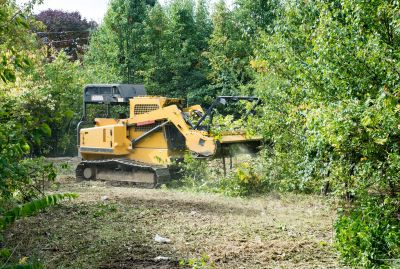
Spring is ideal for land clearing as soil moisture levels are moderate, allowing for easier excavation and removal of debris before the heat of summer.
Fall offers cooler weather and stable soil conditions, making it suitable for large-scale clearing projects before winter sets in.
Winter can be effective in regions with milder climates, as frozen ground reduces soil disturbance and helps control dust and debris.
Summer is less favorable due to higher temperatures and dry conditions, which can increase fire risk and complicate equipment operation.
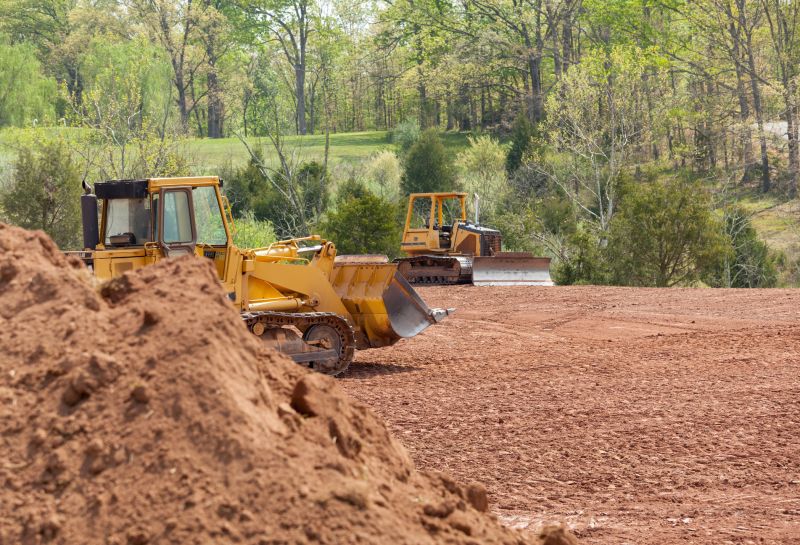
Equipment working on a cleared field during spring.
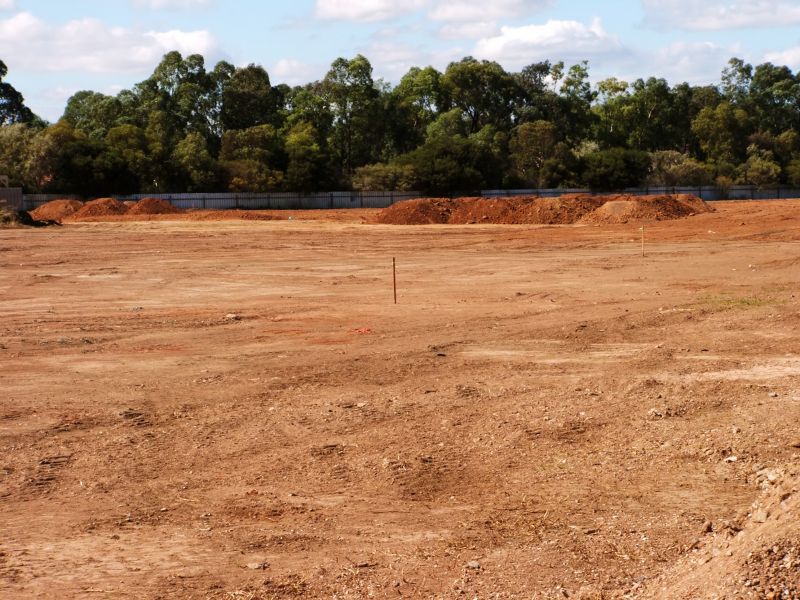
A cleared plot ready for development in autumn.
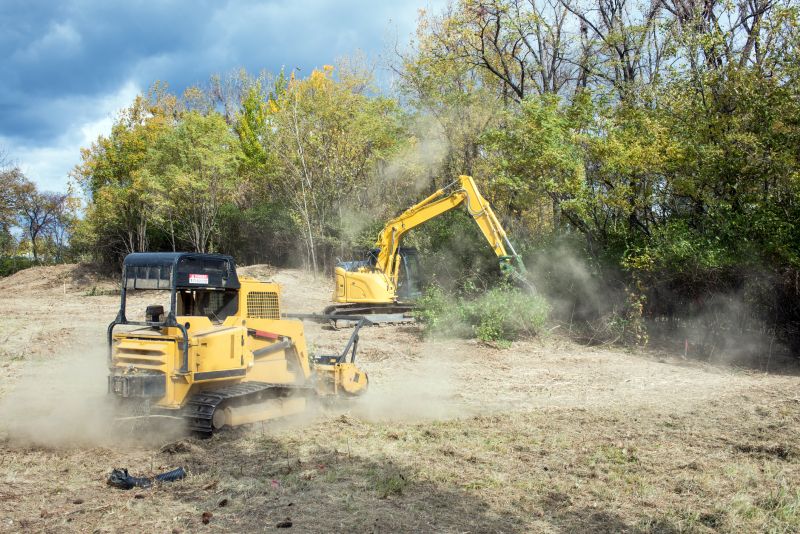
Frozen ground facilitating land removal activities.

Ways to make Land Clearings work in tight or awkward layouts.
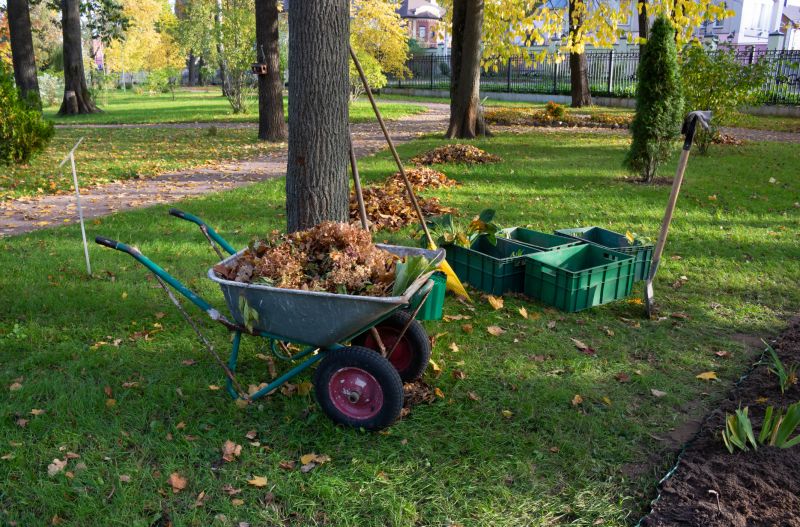
Popular materials for Land Clearings and why they hold up over time.
Simple add-ons that improve Land Clearings without blowing the budget.
| Season | Optimal Conditions |
|---|---|
| Spring | Moderate soil moisture, less heat stress |
| Fall | Cool temperatures, stable soil |
| Winter | Frozen ground reduces soil disturbance |
| Summer | High temperatures and dry conditions, less ideal |
Understanding the seasonal variations in land clearing can help determine the most suitable time for specific projects. Proper timing ensures efficient use of resources, reduces operational delays, and minimizes environmental disruption. Each season offers unique advantages depending on regional climate and project scope.
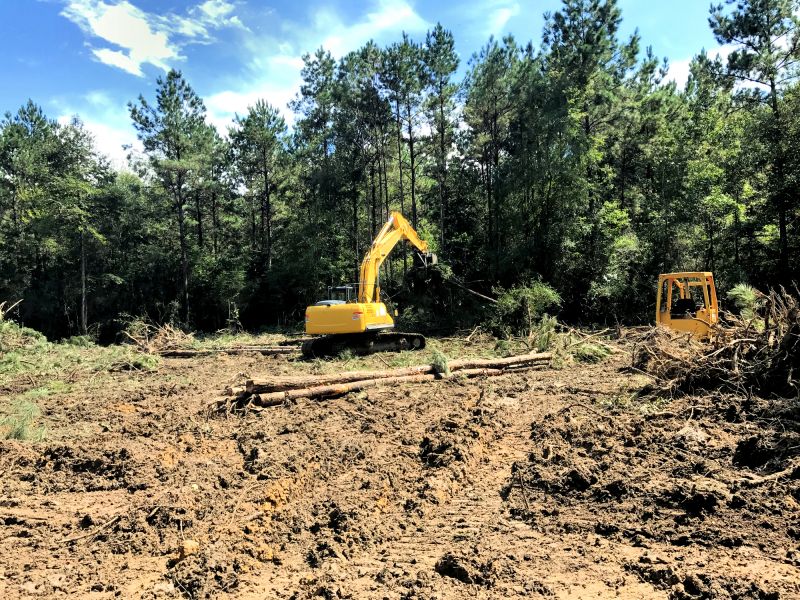
Heavy machinery clearing land during spring.
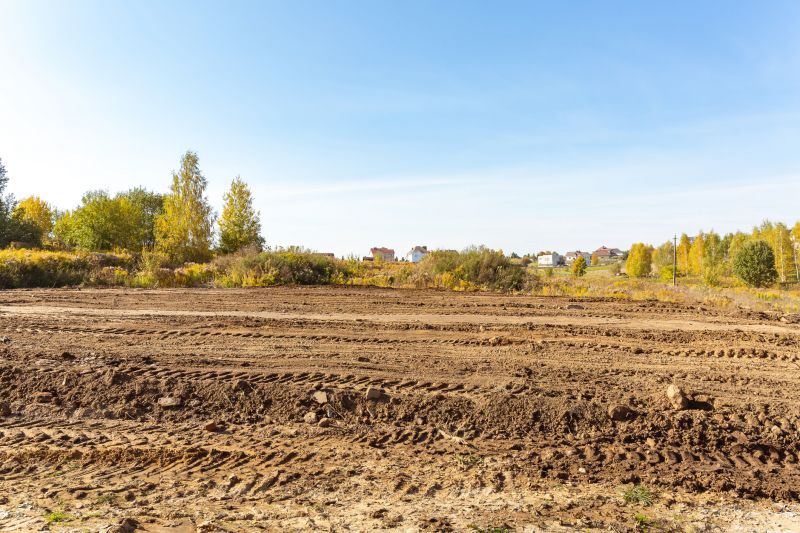
Cleared land ready for construction in fall.
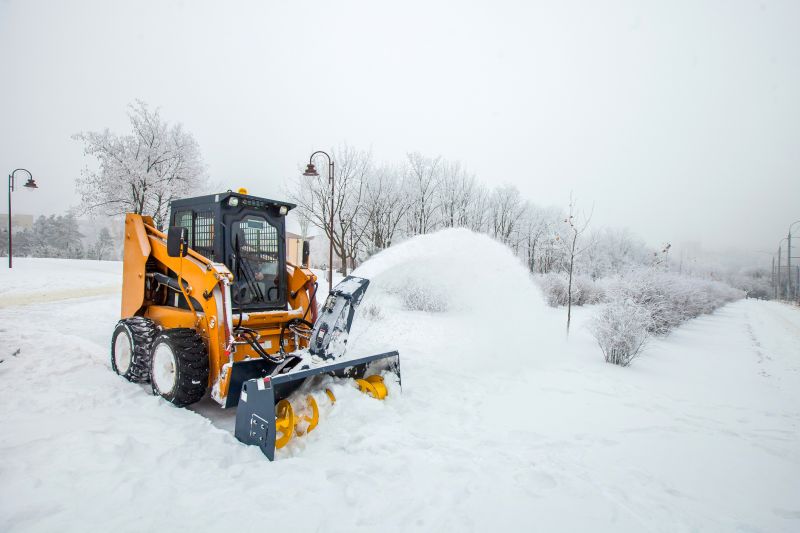
Frozen ground aiding in land removal tasks.
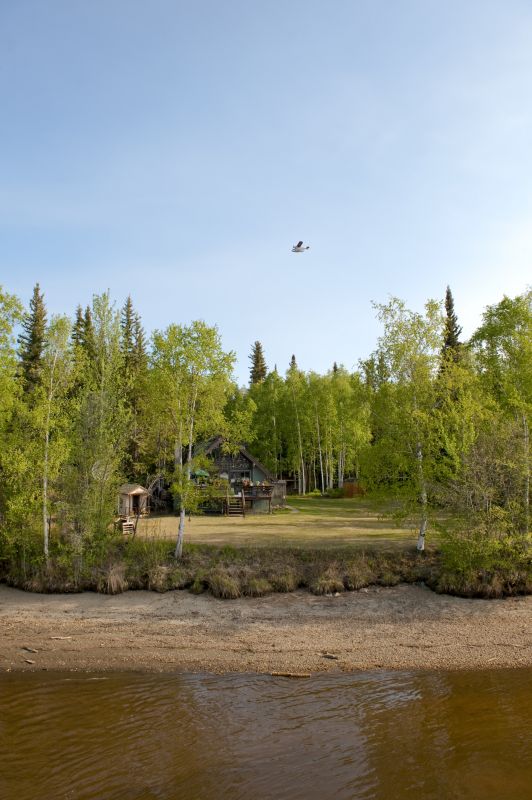
Managing land clearing during hot, dry weather.
Selecting the appropriate season for land clearing depends on project goals, regional climate, and soil conditions. Proper timing can lead to cost savings, faster completion, and better land quality for future use.
Interested in scheduling land clearing? Fill out the contact form to discuss options and get a quote.